Print industry innovations Revolutionizing the Printing World

Laser innovations

Step into the realm of printing magic where technology meets innovation! From 3D printing to digital transformations, brace yourself for a rollercoaster ride through the latest advancements in the print industry.

Get ready to uncover how automation and digital printing have reshaped traditional methods, and how sustainability plays a crucial role in modern printing practices. Let’s dive in!

Print Industry Innovations
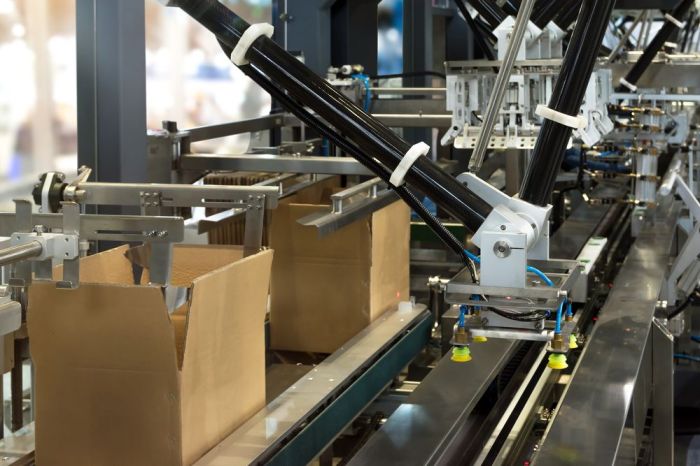
Print industry innovations

In recent years, the print industry has experienced a significant evolution driven by technological advancements. Automation, 3D printing, and digital printing have all played crucial roles in reshaping traditional printing methods.

Automation in Printing Processes

Automation has revolutionized the printing industry by streamlining workflows and increasing efficiency. With the use of automated systems, tasks that were once time-consuming and labor-intensive can now be completed in a fraction of the time. This has not only improved productivity but also reduced the margin for error, resulting in higher quality output.

Impact of 3D Printing

The introduction of 3D printing has had a profound impact on traditional printing methods. 3D printing allows for the creation of intricate and complex designs that were previously impossible to achieve through conventional printing techniques. This technology has opened up new possibilities in areas such as product prototyping, custom manufacturing, and even healthcare.

Transformation by Digital Printing

Digital printing has transformed the print industry by offering faster turnaround times, cost-effective solutions, and the ability to customize prints on demand. Unlike traditional printing methods, digital printing does not require the creation of printing plates, making it a more environmentally friendly option. This technology has also paved the way for personalization and variable data printing, allowing businesses to tailor their marketing materials to specific target audiences.

Sustainability in Printing

Laser innovations

Printing practices have come a long way in terms of sustainability, with a focus on reducing environmental impact and promoting eco-friendly materials.

Eco-Friendly Materials Used in Modern Printing

  • One common eco-friendly material used in modern printing is recycled paper, which helps reduce the demand for fresh wood pulp.
  • Vegetable-based inks are another sustainable option, as they are made from renewable resources and produce fewer emissions during the printing process.
  • Biodegradable and compostable printing materials are gaining popularity, offering a more sustainable end-of-life solution compared to traditional plastics.

Reducing Environmental Footprint in the Print Industry

  • Printing companies are investing in energy-efficient equipment and practices to minimize electricity consumption and carbon emissions.
  • Implementing digital workflows and print-on-demand services helps reduce paper waste and unnecessary printing.
  • Using water-based coatings and varnishes instead of traditional solvent-based options contributes to a cleaner production process.

Role of Recycling in the Printing Sector

  • Many printing companies have established recycling programs for paper waste, ink cartridges, and other materials to divert them from landfills.
  • Recycled paper fibers are being incorporated into new printing materials, closing the loop and reducing the need for virgin resources.
  • By promoting a circular economy approach, the printing sector is aiming to minimize waste and maximize resource efficiency.

Innovative Sustainability Practices in Printing Companies

  • Some printing companies are offering carbon-neutral printing options, offsetting the environmental impact of print jobs through investments in renewable energy projects.
  • Collaborating with eco-conscious partners and suppliers helps printing companies source sustainable materials and implement green practices throughout the supply chain.
  • Integrating sustainability certifications, such as FSC (Forest Stewardship Council) or SFI (Sustainable Forestry Initiative), demonstrates a commitment to responsible sourcing and production.

Digital Publishing

In today’s fast-paced digital world, the publishing industry has undergone a significant transformation with the rise of digital publishing. Let’s explore how this shift has impacted traditional publishing methods and reader preferences.

Comparison of Traditional Publishing Methods and Digital Publishing Trends

Traditional publishing methods typically involve printing physical books or magazines, distributing them through various channels, and selling them in brick-and-mortar stores. On the other hand, digital publishing leverages technology to create and distribute content electronically, allowing readers to access books, magazines, and other publications on digital devices such as e-readers, tablets, and smartphones. This shift has revolutionized the way content is consumed and has opened up new possibilities for authors and publishers to reach a wider audience.

Benefits of E-books over Traditional Printed Books

  • E-books are portable and can be easily carried on digital devices, allowing readers to access their favorite books anytime, anywhere.
  • E-books are more environmentally friendly as they eliminate the need for paper, ink, and shipping, reducing the carbon footprint of the publishing industry.
  • E-books offer interactive features such as hyperlinks, multimedia content, and search functions, enhancing the reading experience for users.

Influence of Digital Platforms on the Publishing Industry

  • Digital platforms such as Amazon Kindle, Apple Books, and Google Play Books have democratized the publishing industry, allowing independent authors to self-publish their work and reach a global audience.
  • Digital platforms have also enabled publishers to experiment with new formats, pricing models, and distribution channels, leading to greater innovation and creativity in the industry.
  • Digital platforms have transformed the way readers discover, purchase, and consume content, shaping their preferences and expectations for digital reading experiences.

How Digital Publishing has Changed Reader Preferences

  • Readers now expect instant access to a wide range of digital content, leading to a shift towards digital subscription services and online libraries.
  • Interactive features in e-books have made reading more engaging and immersive, attracting younger generations who are accustomed to digital technologies.
  • Personalization options in digital publishing allow readers to customize their reading experience, from font size and style to bookmarking and highlighting passages.

End of Discussion

As we conclude our journey through the evolution of printing, remember that the future is bright with endless possibilities. Embrace the innovations, adapt to the changes, and witness the power of print industry transformations firsthand.

Common Queries

How has 3D printing impacted traditional printing methods?

3D printing has revolutionized traditional printing by offering faster production, customization options, and cost-effective solutions.

What are some eco-friendly materials used in modern printing practices?

Eco-friendly materials like recycled paper, soy-based inks, and biodegradable packaging are commonly used in modern printing to reduce environmental impact.

What are the benefits of e-books over traditional printed books?

E-books offer convenience, portability, and accessibility, making them a popular choice for readers on the go.

How has digital publishing changed reader preferences?

Digital publishing has catered to the digital age with interactive content, multimedia features, and instant access, shaping reader preferences towards more dynamic reading experiences.

Offset printing vs digital printing A Detailed Comparison

Offset printing vs digital printing

Step right up to the ultimate showdown between offset printing and digital printing! Get ready for an exciting journey as we delve into the intricacies of these two printing technologies.

From cost-effectiveness to print quality, we’ve got all the juicy details you need to know. So, buckle up and let’s explore the world of printing!

Offset Printing vs Digital Printing

Offset printing and digital printing are two popular methods used in the printing industry, each with its own unique characteristics and advantages. Let’s dive into the differences between these two technologies and explore when each method is preferred.

Technology Differences

Offset printing involves transferring ink from a plate to a rubber blanket and then onto the printing surface. It is a traditional printing method that is best suited for high-volume printing jobs. On the other hand, digital printing directly transfers digital files onto the printing surface without the need for plates, making it ideal for short print runs and quick turnaround times.

Cost-Effectiveness Comparison

Offset printing is more cost-effective for large print runs due to lower per-unit costs. However, digital printing is more cost-effective for small quantities since there are no setup costs involved. It is important to consider the volume of the print job when determining the most cost-effective method.

Print Quality Comparison

Offset printing typically produces higher quality prints with sharp details and vibrant colors. It is the preferred choice for projects that require precise color matching and intricate designs. Digital printing offers good quality prints, but may not match the level of detail and color accuracy achieved with offset printing.

Preferred Applications

Offset printing is often preferred for projects such as magazines, brochures, and packaging that require high-quality prints in large quantities. Digital printing is commonly used for items like business cards, flyers, and personalized marketing materials that have shorter print runs and quick turnaround requirements.

Publishing and Printing

Offset printing vs digital printing

In the world of publishing, both offset printing and digital printing play significant roles in bringing books, magazines, and other printed materials to life. Let’s delve into the specific contributions of each method in the publishing industry.

Role of Offset Printing in Traditional Publishing Processes

Offset printing has long been a staple in traditional publishing processes due to its high quality and cost-effectiveness for large print runs. Publishers rely on offset printing for producing books, magazines, newspapers, and promotional materials in bulk quantities. This method involves transferring ink from a plate to a rubber blanket, then onto the printing surface, resulting in consistent and sharp prints ideal for mass production.

Popular Products Printed Using Offset Printing in Publishing

  • Hardcover and paperback books
  • Magazines and newspapers
  • Brochures and flyers
  • Posters and promotional materials

Impact of Digital Printing on Modern Publishing Workflows

Digital printing has revolutionized modern publishing workflows by offering quick turnaround times, customization options, and cost-effective solutions for short print runs. Publishers can now easily print on demand, personalize content for readers, and experiment with different designs without the need for expensive setup costs associated with offset printing.

Revolutionizing the Printing Process for Publishers with Digital Printing

  • On-demand printing for smaller quantities
  • Variable data printing for personalized content
  • Shorter production times and reduced waste
  • Ability to test different designs and editions easily

Epilogue

Offset printing vs digital printing

As we wrap up our discussion on offset printing vs digital printing, remember that each method has its unique strengths and applications. Whether you’re a traditional publisher or a modern print enthusiast, there’s a printing solution out there for you.

Common Queries

Which printing method is more cost-effective?

Offset printing is more cost-effective for large volume print runs, while digital printing is better suited for smaller quantities.

What are the key differences in technology between offset printing and digital printing?

Offset printing uses plates and ink rollers to transfer images onto paper, while digital printing directly applies ink onto the paper using toner or liquid ink.

When is offset printing preferred over digital printing?

Offset printing is preferred for high-quality printing, large volume projects, and when precise color matching is essential.

How has digital printing revolutionized the publishing industry?

Digital printing has enabled on-demand printing, shorter turnaround times, and personalized printing solutions in the publishing industry.

3D Printing in Publishing Revolutionizing the Future of Books

3D printing in publishing

Step into the fascinating world of 3D printing in publishing where innovation meets imagination, transforming the way we experience books. Get ready to explore the exciting possibilities that lie ahead!

From creating unique book covers to enhancing accessibility for visually impaired readers, 3D printing is reshaping the landscape of publishing in remarkable ways.

3D Printing in Publishing

D printing has brought a wave of innovation to the publishing industry, transforming the way books are created and consumed. This technology allows for the production of intricate, customizable, and on-demand book designs, offering a new level of creativity and personalization to readers.

Examples of 3D Printing in Publishing

  • Creating 3D book covers with unique textures and designs to enhance the visual appeal of the book.
  • Producing tactile picture books for visually impaired readers, incorporating braille and raised images for a more immersive reading experience.
  • Printing custom bookmarks, bookends, and other book accessories to complement the reading experience.

Benefits of Incorporating 3D Printing in Book Production

  • Cost-effective: 3D printing reduces the need for traditional manufacturing processes, saving on production costs.
  • Customization: Authors and publishers can create unique, personalized editions of their books for readers.
  • Rapid prototyping: Allows for quick iteration and testing of new book designs before mass production.
  • Enhanced reader engagement: 3D printed elements in books can captivate readers and enhance the overall reading experience.

Applications of 3D Printing in Publishing

3d printing print cool make can creations using printer objects technology crazy printed models realitypod many being show file something

3D printing technology has revolutionized the publishing industry by offering innovative ways to enhance the reading experience and accessibility for all. Let’s explore some of the key applications of 3D printing in publishing.

Creating Unique Book Covers

  • 3D printing allows publishers to create intricate and customized book covers that stand out on shelves.
  • Authors can collaborate with designers to bring their vision to life with unique textures, shapes, and designs that reflect the essence of their work.
  • Readers are drawn to visually appealing covers that showcase the creativity and artistry behind the book.

Enhancing Tactile Books for Visually Impaired Readers

  • 3D printing technology is being used to create tactile books with raised images and braille text for visually impaired readers.
  • These tactile books provide a multisensory reading experience, allowing visually impaired individuals to engage with the content through touch.
  • By incorporating 3D printed elements, publishers are making books more inclusive and accessible to a wider audience.

Creating Interactive Elements in Books

  • 3D printing enables the integration of interactive elements such as pop-up illustrations, movable parts, and puzzles within books.
  • These interactive features enhance the storytelling experience and engage readers of all ages in a hands-on way.
  • Children’s books, educational materials, and special editions can benefit from the incorporation of 3D printed interactive elements.

Future Trends of 3D Printing in Publishing

3D printing in publishing

D printing technology is poised to revolutionize the publishing industry in the future, offering new possibilities for book production and customization. As the technology continues to evolve, we can anticipate several key trends shaping the future of 3D printing in publishing.

Predicted Evolution of 3D Printing Technology

  • Advancements in 3D printing materials will lead to more durable and high-quality printed books.
  • Increased speed and efficiency in the 3D printing process will enable quicker production of customized books.
  • Integration of 3D printing with other digital technologies may open up new avenues for interactive and multimedia-rich publications.

Potential Challenges with Widespread Adoption

  • Copyright and intellectual property concerns may arise with the easy reproduction of printed materials through 3D printing.
  • Cost implications of 3D printing technology may limit its accessibility to smaller publishers or independent authors.
  • Quality control and consistency in 3D printing may pose challenges in ensuring uniformity across mass-produced books.

Personalized and On-Demand Book Production

  • 3D printing allows for the creation of unique, personalized books tailored to individual preferences and needs.
  • On-demand printing through 3D technology enables publishers to reduce inventory costs and minimize waste from unsold books.
  • Readers can enjoy customized content, covers, and even interactive features in books produced using 3D printing.

Publishing and Printing

In the world of publishing, the printing process plays a crucial role in bringing written works to life. From traditional printing methods to the innovative technology of 3D printing, the evolution of printing in the publishing sector has been remarkable.D printing in the publishing industry has revolutionized the way books, magazines, and other printed materials are created. Unlike traditional printing methods such as offset printing or digital printing, which involve transferring ink onto paper, 3D printing builds objects layer by layer using materials like plastics or resins.

This allows for the production of intricate designs and even customizable products, opening up new possibilities for publishers and authors.

Historical Evolution of Printing in Publishing

The history of printing in the publishing sector dates back to ancient times when manuscripts were handwritten or printed using woodblocks. The invention of the printing press by Johannes Gutenberg in the 15th century revolutionized the way books were produced, making them more accessible to the masses. Over the years, advancements in printing technology led to the development of offset printing, digital printing, and now 3D printing, each offering unique benefits and capabilities.

  • Woodblock printing: One of the earliest forms of printing, where images or text were carved onto wooden blocks and then stamped onto paper.
  • Printing press: Gutenberg’s invention allowed for the mass production of books, leading to the spread of knowledge and literacy.
  • Offset printing: Introduced in the early 20th century, this method uses plates to transfer ink onto a rubber blanket before printing on paper, resulting in high-quality prints.
  • Digital printing: With the rise of computers and digital technology, printing became more efficient and cost-effective, enabling on-demand printing and personalization.
  • 3D printing: The latest advancement in printing technology, 3D printing has the potential to revolutionize publishing by creating unique, three-dimensional objects with intricate details.

Advancements in Printing Technology and the Publishing Process

Advancements in printing technology have greatly influenced the publishing process, making it faster, more cost-effective, and environmentally friendly. From the transition to digital publishing to the rise of print-on-demand services, publishers now have more options than ever to produce and distribute their works efficiently.

3D printing has the potential to disrupt the traditional publishing industry by allowing for the creation of customized books, interactive learning materials, and even 3D models of characters or scenes from novels.

  • Efficiency: Printing technology advancements have streamlined the publishing process, reducing production time and costs.
  • Quality: Improved printing techniques have led to higher-quality prints with better color accuracy and detail.
  • Sustainability: Digital printing and 3D printing are more sustainable than traditional methods, as they produce less waste and use eco-friendly materials.

Ending Remarks

As we conclude our journey through the realm of 3D printing in publishing, it’s clear that the future holds endless opportunities for personalized, interactive, and on-demand book production. Embrace the evolution and get ready for a new chapter in the world of books!

FAQ Insights

How is 3D printing revolutionizing the publishing industry?

3D printing is changing the game by allowing for unique book covers, tactile books for visually impaired readers, and interactive elements in books.

What are the benefits of incorporating 3D printing in book production?

3D printing offers increased customization, on-demand production, and the potential for creating more engaging reading experiences.

What are some potential challenges with widespread adoption of 3D printing in publishing?

Challenges may include cost implications, quality control issues, and the need for specialized skills to operate 3D printing technology effectively.

Digital Publishing Trends 2025 Unveiling the Future of Content Creation

Digital publishing trends 2025

Step into the world of Digital publishing trends 2025, where groundbreaking technologies and consumer behaviors collide to shape the future of content creation. Brace yourself for a journey through the evolving landscape of digital publishing that promises innovation and excitement at every turn.

From AI to blockchain, from interactive experiences to mobile optimization, the realm of digital publishing is undergoing a transformation like never before.

Digital Publishing Trends 2025

2025 digital trends

In the ever-evolving landscape of digital publishing, advancements in technology continue to shape the way content is created, distributed, and consumed. Let’s delve into some of the key trends that are expected to define the digital publishing industry in 2025.

Emerging Technologies

  • Artificial Intelligence (AI) and Machine Learning: AI-powered tools are revolutionizing content creation, personalization, and recommendation systems. Machine learning algorithms analyze user behavior to deliver tailored content, enhancing user engagement.
  • Blockchain Technology: Blockchain ensures transparency and security in digital publishing by enabling decentralized content distribution and combating issues like piracy and copyright infringement.
  • Virtual and Augmented Reality (VR/AR): VR and AR technologies are enhancing user experiences by providing immersive storytelling and interactive content delivery. Publishers are exploring new ways to engage audiences through these technologies.

Changing Consumer Behavior

Digital publishing trends 2025

Consumer preferences play a significant role in shaping digital publishing trends. As technology evolves, so do the expectations and habits of consumers. Let’s explore how these changing behaviors are influencing the landscape of digital publishing.

Shift towards Interactive and Personalized Content Experiences

In today’s fast-paced digital world, consumers are seeking more engaging and personalized content experiences. This has led to a shift towards interactive content formats such as videos, quizzes, and augmented reality experiences. Publishers are now focusing on creating content that not only informs but also entertains and engages users on a deeper level.

  • Interactive content enhances user engagement and encourages longer browsing sessions.
  • Personalized content allows publishers to tailor their offerings to individual preferences, increasing relevance and user satisfaction.
  • Platforms that offer interactive and personalized experiences are more likely to attract and retain a loyal audience.

Importance of Mobile Optimization for Digital Publishing Platforms

With the widespread use of smartphones and tablets, mobile optimization has become crucial for digital publishing platforms. Consumers expect seamless and user-friendly experiences across all devices, including mobile. Publishers need to ensure that their content is responsive and optimized for mobile viewing to reach a wider audience and provide a superior user experience.

  • Mobile optimization improves accessibility and convenience for users consuming content on the go.
  • Search engines prioritize mobile-friendly websites, boosting visibility and traffic for publishers.
  • Responsive design ensures a consistent experience across different screen sizes, enhancing user engagement and satisfaction.

Rise of Subscription-Based Models and Impact on Digital Publishing Revenues

The rise of subscription-based models has revolutionized the way content is monetized in the digital publishing industry. Consumers are increasingly willing to pay for quality content, leading to a shift away from ad-based revenue models. Subscription services offer consumers access to premium content and exclusive benefits in exchange for a recurring fee, providing a steady stream of revenue for publishers.

  • Subscription-based models offer a predictable revenue stream and reduce reliance on fluctuating advertising revenue.
  • Consumers value the convenience and customization of subscription services, leading to higher retention rates and customer loyalty.
  • Publishers can focus on delivering high-quality content and building a loyal subscriber base, rather than chasing ad clicks.

Content Creation and Distribution

In the ever-evolving landscape of digital publishing, content creation and distribution play a crucial role in engaging audiences and staying relevant. Let’s explore some key aspects shaping the future of digital content.

User-Generated Content: The Future of Digital Publishing

User-generated content (UGC) is expected to become even more prominent in the future of digital publishing. With the rise of social media platforms and online communities, users are actively contributing to the content ecosystem. Brands and publishers can harness the power of UGC to create authentic and relatable content that resonates with their audience. This form of content not only fosters engagement but also builds a sense of community around the brand or publication.

Significance of Multimedia Content in Audience Engagement

Multimedia content, including videos, podcasts, and interactive media, is becoming increasingly important in capturing and retaining audience attention. In a fast-paced digital world, visual and auditory content can convey information more effectively and engage users on a deeper level. By incorporating multimedia elements into their content strategy, digital publishers can enhance the overall user experience and create more compelling narratives.

Optimizing Content Distribution Across Digital Channels

Optimizing content distribution involves strategically sharing content across various digital channels to reach a wider audience and maximize visibility. This can include leveraging social media platforms, email marketing, search engine optimization, and partnerships with influencers or other publishers. By tailoring content for different channels and engaging with audiences where they are most active, publishers can increase brand awareness and drive traffic to their digital properties.

Successful Content Strategies by Leading Digital Publishers

Leading digital publishers have adopted various successful content strategies to stay ahead in the competitive landscape. For example, some publishers focus on creating personalized content experiences based on user preferences and behavior. Others prioritize data-driven insights to inform their content decisions and optimize performance. Additionally, partnerships with content creators, influencers, and brands have proven to be effective in expanding reach and diversifying content offerings.

Publishing and Printing

In the digital age, traditional publishing methods are evolving to adapt to the changing landscape of the industry. With the rise of digital platforms and online reading preferences, print publishers are facing new challenges and opportunities.

Evolution of Traditional Publishing Methods

Traditional publishing methods are shifting towards digital platforms to reach a wider audience and stay competitive in the market. Print publishers are now focusing on e-books, audiobooks, and online magazines to cater to the digital-savvy consumers. This evolution has led to a more streamlined production process and faster distribution of content.

Environmental Impact: Digital vs. Traditional Printing

Digital publishing has a lower environmental impact compared to traditional printing methods. With digital publishing, there is less paper waste, ink usage, and energy consumption involved in the production process. This shift towards digital platforms is contributing to a more sustainable and eco-friendly approach to publishing.

Challenges in Transitioning to Digital Platforms

Print publishers are facing challenges in transitioning to digital platforms, including adapting to new technologies, changing consumer preferences, and competition from digital-native publishers. The need for digital skills, investment in technology, and reimagining content for digital formats are some of the obstacles print publishers are navigating in this transition.

Future of Print-on-Demand Services

Print-on-demand services are revolutionizing the publishing industry by enabling publishers to print books only when there is demand from customers. This reduces the risk of overproduction, minimizes storage costs, and allows for more flexibility in the publishing process. The future of print-on-demand services holds the potential to reshape the traditional publishing model and make it more efficient and sustainable.

Concluding Remarks

As we conclude our exploration of Digital publishing trends 2025, one thing is certain – the future is bright, dynamic, and full of endless possibilities for content creators and consumers alike. Embrace the changes, adapt to the trends, and stay ahead of the curve in this ever-evolving digital world.

General Inquiries

What emerging technologies will shape digital publishing in 2025?

AI, machine learning, blockchain, and virtual/augmented reality will play significant roles in shaping the future of digital publishing.

How are consumer preferences influencing digital publishing trends?

Consumers are driving a shift towards interactive, personalized content experiences and mobile-optimized platforms.

What is the significance of multimedia content in engaging audiences?

Content in various formats like videos and podcasts is crucial for captivating and retaining audience interest in digital publishing.

How are traditional publishing methods evolving in the digital age?

Traditional publishing methods are adapting to digital platforms to meet the changing demands of the industry and consumers.

What challenges do print publishers face in transitioning to digital platforms?

Print publishers encounter obstacles like adapting to new technologies, audience preferences, and content distribution strategies when transitioning to digital platforms.

Eco-friendly printing technologies Innovations for Sustainable Printing

Eco-friendly printing technologies

Step into the world of Eco-friendly printing technologies, where sustainability meets innovation in the realm of printing. Explore the cutting-edge solutions and environmental benefits that shape the future of printing practices.

Discover how the traditional printing landscape is evolving towards greener pastures with the adoption of eco-conscious technologies.

Eco-friendly printing technologies

Eco-friendly printing technologies

Eco-friendly printing technologies refer to printing methods and practices that aim to minimize negative environmental impacts. These technologies are designed to reduce waste, conserve resources, and lower energy consumption throughout the printing process.

Examples of eco-friendly printing technologies

  • Vegetable-based inks: These inks are made from renewable resources such as soy, linseed, or corn. They contain fewer volatile organic compounds (VOCs) compared to traditional petroleum-based inks.
  • Recycled paper: Using paper made from recycled materials helps to reduce the demand for virgin wood pulp, conserving forests and reducing waste.
  • Waterless printing: This method eliminates the need for water in the printing process, reducing water consumption and the risk of water pollution.
  • Energy-efficient equipment: Printing presses and machines that are designed to be energy-efficient help to lower overall energy consumption and reduce carbon emissions.

Environmental benefits of using eco-friendly printing technologies

  • Reduced carbon footprint: Eco-friendly printing technologies minimize the emission of greenhouse gases, helping to combat climate change.
  • Resource conservation: By using recycled materials and reducing waste, eco-friendly printing technologies help to conserve natural resources such as water and forests.
  • Improved air quality: Vegetable-based inks produce fewer harmful emissions, contributing to better air quality in printing facilities and surrounding areas.
  • Promotion of sustainability: Adopting eco-friendly printing technologies promotes sustainable practices within the printing industry and encourages other sectors to follow suit.

How eco-friendly printing technologies contribute to sustainable practices

  • Supporting a circular economy: Eco-friendly printing technologies align with the principles of a circular economy by reducing waste and promoting the reuse of materials.
  • Meeting customer demand: As consumers become more environmentally conscious, businesses that utilize eco-friendly printing technologies can attract and retain customers who prioritize sustainability.
  • Compliance with regulations: Governments and regulatory bodies are increasingly implementing environmental standards for the printing industry, making eco-friendly technologies a necessity for compliance.
  • Cost-effectiveness: While initial investments in eco-friendly printing technologies may be higher, the long-term cost savings from reduced resource consumption and waste management can make them a financially viable choice.

PUBLISHING AND PRINTING

Eco-friendly printing technologies

Eco-friendly practices in the publishing and printing industry are crucial for reducing the environmental impact of these processes. With the rising awareness of climate change and sustainability, companies are increasingly turning to eco-friendly printing technologies to minimize their carbon footprint and promote a greener future.Traditional printing methods, such as offset printing, typically involve the use of harmful chemicals, excessive water consumption, and high energy consumption.

These practices contribute to pollution, deforestation, and increased carbon emissions, posing significant threats to the environment.In comparison, eco-friendly printing technologies utilize sustainable materials, non-toxic inks, and energy-efficient processes to minimize environmental harm. These methods often result in reduced waste generation, lower energy consumption, and overall lower carbon emissions, making them a more sustainable option for publishers and printers.Transitioning to eco-friendly printing in publishing comes with its challenges, such as initial investment costs, limited availability of eco-friendly materials, and the need for retraining staff on new technologies.

However, the advantages far outweigh these challenges, as eco-friendly printing not only helps in preserving the environment but also enhances brand reputation, attracts environmentally-conscious customers, and ensures compliance with eco-friendly regulations.

Significance of Eco-friendly Practices

Eco-friendly practices in the publishing and printing industry play a vital role in reducing environmental impact, promoting sustainability, and meeting the growing demand for eco-conscious products. By adopting eco-friendly printing technologies, companies can contribute to a healthier planet while staying competitive in a rapidly evolving market.

Comparison of Printing Methods

  • Traditional printing methods: High resource consumption, pollution, and environmental degradation.
  • Eco-friendly printing technologies: Sustainable materials, non-toxic inks, and reduced carbon footprint.

Challenges of Transitioning

  • Initial investment costs
  • Limited availability of eco-friendly materials
  • Retraining staff on new technologies

Advantages of Eco-friendly Printing

  • Reduced environmental impact
  • Enhanced brand reputation
  • Attract environmentally-conscious customers
  • Compliance with eco-friendly regulations
  • Concluding Remarks

    In conclusion, Eco-friendly printing technologies offer a promising path towards a more sustainable future in the publishing and printing industry. Embracing these advancements not only benefits the environment but also paves the way for responsible printing practices.

    Q&A

    What are some examples of eco-friendly printing technologies?

    Examples include soy-based ink, recycled paper, and digital printing methods that reduce waste.

    How do eco-friendly printing technologies contribute to sustainable practices?

    They minimize the environmental impact by reducing waste, using renewable resources, and lowering carbon emissions.

    What challenges are faced when transitioning to eco-friendly printing in publishing?

    Challenges include initial investment costs, compatibility with existing infrastructure, and educating stakeholders about the benefits.