
Step into the realm of printing magic where technology meets innovation! From 3D printing to digital transformations, brace yourself for a rollercoaster ride through the latest advancements in the print industry.
Get ready to uncover how automation and digital printing have reshaped traditional methods, and how sustainability plays a crucial role in modern printing practices. Let’s dive in!
Print Industry Innovations
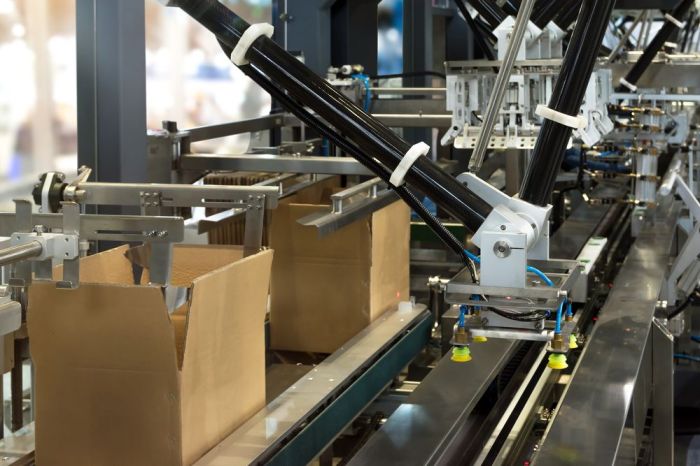
In recent years, the print industry has experienced a significant evolution driven by technological advancements. Automation, 3D printing, and digital printing have all played crucial roles in reshaping traditional printing methods.
Automation in Printing Processes
Automation has revolutionized the printing industry by streamlining workflows and increasing efficiency. With the use of automated systems, tasks that were once time-consuming and labor-intensive can now be completed in a fraction of the time. This has not only improved productivity but also reduced the margin for error, resulting in higher quality output.
Impact of 3D Printing
The introduction of 3D printing has had a profound impact on traditional printing methods. 3D printing allows for the creation of intricate and complex designs that were previously impossible to achieve through conventional printing techniques. This technology has opened up new possibilities in areas such as product prototyping, custom manufacturing, and even healthcare.
Transformation by Digital Printing
Digital printing has transformed the print industry by offering faster turnaround times, cost-effective solutions, and the ability to customize prints on demand. Unlike traditional printing methods, digital printing does not require the creation of printing plates, making it a more environmentally friendly option. This technology has also paved the way for personalization and variable data printing, allowing businesses to tailor their marketing materials to specific target audiences.
Sustainability in Printing
Printing practices have come a long way in terms of sustainability, with a focus on reducing environmental impact and promoting eco-friendly materials.
Eco-Friendly Materials Used in Modern Printing
- One common eco-friendly material used in modern printing is recycled paper, which helps reduce the demand for fresh wood pulp.
- Vegetable-based inks are another sustainable option, as they are made from renewable resources and produce fewer emissions during the printing process.
- Biodegradable and compostable printing materials are gaining popularity, offering a more sustainable end-of-life solution compared to traditional plastics.
Reducing Environmental Footprint in the Print Industry
- Printing companies are investing in energy-efficient equipment and practices to minimize electricity consumption and carbon emissions.
- Implementing digital workflows and print-on-demand services helps reduce paper waste and unnecessary printing.
- Using water-based coatings and varnishes instead of traditional solvent-based options contributes to a cleaner production process.
Role of Recycling in the Printing Sector
- Many printing companies have established recycling programs for paper waste, ink cartridges, and other materials to divert them from landfills.
- Recycled paper fibers are being incorporated into new printing materials, closing the loop and reducing the need for virgin resources.
- By promoting a circular economy approach, the printing sector is aiming to minimize waste and maximize resource efficiency.
Innovative Sustainability Practices in Printing Companies
- Some printing companies are offering carbon-neutral printing options, offsetting the environmental impact of print jobs through investments in renewable energy projects.
- Collaborating with eco-conscious partners and suppliers helps printing companies source sustainable materials and implement green practices throughout the supply chain.
- Integrating sustainability certifications, such as FSC (Forest Stewardship Council) or SFI (Sustainable Forestry Initiative), demonstrates a commitment to responsible sourcing and production.
Digital Publishing
In today’s fast-paced digital world, the publishing industry has undergone a significant transformation with the rise of digital publishing. Let’s explore how this shift has impacted traditional publishing methods and reader preferences.
Comparison of Traditional Publishing Methods and Digital Publishing Trends
Traditional publishing methods typically involve printing physical books or magazines, distributing them through various channels, and selling them in brick-and-mortar stores. On the other hand, digital publishing leverages technology to create and distribute content electronically, allowing readers to access books, magazines, and other publications on digital devices such as e-readers, tablets, and smartphones. This shift has revolutionized the way content is consumed and has opened up new possibilities for authors and publishers to reach a wider audience.
Benefits of E-books over Traditional Printed Books
- E-books are portable and can be easily carried on digital devices, allowing readers to access their favorite books anytime, anywhere.
- E-books are more environmentally friendly as they eliminate the need for paper, ink, and shipping, reducing the carbon footprint of the publishing industry.
- E-books offer interactive features such as hyperlinks, multimedia content, and search functions, enhancing the reading experience for users.
Influence of Digital Platforms on the Publishing Industry
- Digital platforms such as Amazon Kindle, Apple Books, and Google Play Books have democratized the publishing industry, allowing independent authors to self-publish their work and reach a global audience.
- Digital platforms have also enabled publishers to experiment with new formats, pricing models, and distribution channels, leading to greater innovation and creativity in the industry.
- Digital platforms have transformed the way readers discover, purchase, and consume content, shaping their preferences and expectations for digital reading experiences.
How Digital Publishing has Changed Reader Preferences
- Readers now expect instant access to a wide range of digital content, leading to a shift towards digital subscription services and online libraries.
- Interactive features in e-books have made reading more engaging and immersive, attracting younger generations who are accustomed to digital technologies.
- Personalization options in digital publishing allow readers to customize their reading experience, from font size and style to bookmarking and highlighting passages.
End of Discussion
As we conclude our journey through the evolution of printing, remember that the future is bright with endless possibilities. Embrace the innovations, adapt to the changes, and witness the power of print industry transformations firsthand.
Common Queries
How has 3D printing impacted traditional printing methods?
3D printing has revolutionized traditional printing by offering faster production, customization options, and cost-effective solutions.
What are some eco-friendly materials used in modern printing practices?
Eco-friendly materials like recycled paper, soy-based inks, and biodegradable packaging are commonly used in modern printing to reduce environmental impact.
What are the benefits of e-books over traditional printed books?
E-books offer convenience, portability, and accessibility, making them a popular choice for readers on the go.
How has digital publishing changed reader preferences?
Digital publishing has catered to the digital age with interactive content, multimedia features, and instant access, shaping reader preferences towards more dynamic reading experiences.


